
Although it’s almost a month since I signed up for Ironman Kalmar, I haven’t started training yet. It’s the off-season and I’ve gone into Gathering Mode, collecting all the things I’ll need for training and racing over the coming months.

The Ironman journey isn’t just about conquering the challenges of long-distance triathlon; I’m also bringing my commitment to a vegan and environmentally conscious approach to my preparations for the race. Here’s how I’m gearing up for the Ironman with a sustainable twist:
First, gear
As a lifelong recycling fanatic, I’m exploring gear options that align with my environmental values. I’ve already started scouring second-hand online marketplaces, like eBay and Vinted for good quality gear and I got my new (to me) racing bike pre-loved from the super helpful team at Cycle Exchange (shout out to Hazel for the expert assistance). If I do have to buy new, I’ll be looking out for brands with cruelty-free and eco-friendly credentials.
The most sustainable items is one that already exists
Recognising the impact of production on the environment, I’m opting to rent or borrow certain items for races before I make a decision on whether it’s something I need to own. This not only lessens the financial burden but also reduces the demand for new products, contributing to a more circular and sustainable approach. The most sustainable item is one that already exists.
DIY Repairs and Eco-Friendly Maintenance
My sustainability ethic means taking care of what I have. Learning basic repair and maintenance skills for my gear not only extends their lifespan but also aligns with my commitment to minimising waste.
In Chamonix this summer, at the start of the UTMB, I saw a Salomon pop-up shop doing repairs for people on their branded gear. I was so impressed with this and when I researched further, I discovered that loads of outdoor brands offer similar services – some them, such as Berghaus even repair your kit for free!
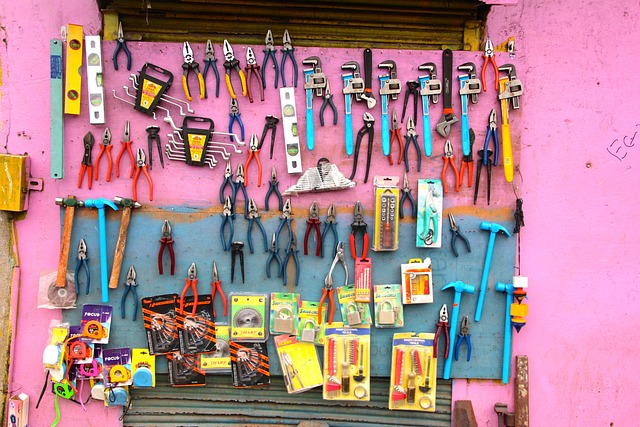
Since I started cycling in London, I’ve wanted to learn bike maintenance, beyond the simple changing of punctured tyres. It’s still important to me to be able to fix anything that goes wrong on a ride, but there are so many great local bike shops in east London, that I’ll probably still leave the heavy duty stuff and pre-race servicing to them for now.
Fuelling with Compassion
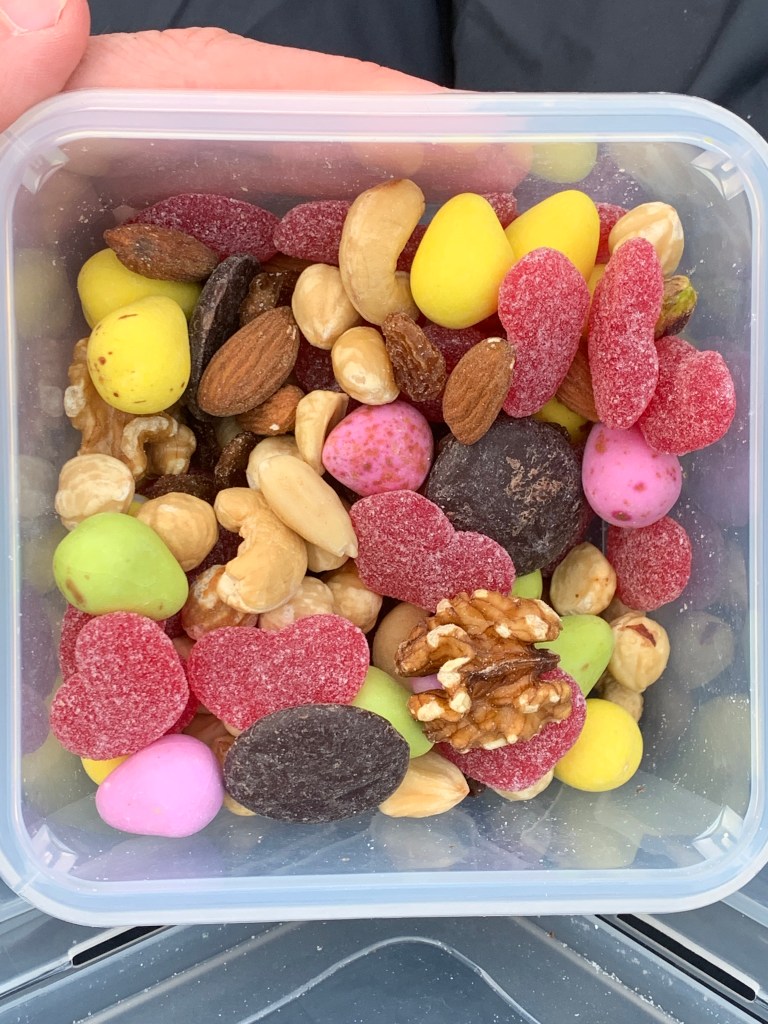
My nutrition plan goes beyond performance; it reflects my vegan ethics. I’m always looking for training snacks with minimal environmental impact, focusing on sustainable packaging and responsibly sourced ingredients. I’ll try to bring homemade plant-based whole foods along for the ride whenever possible.
Compassionate existence extends beyond plant-based eating. I take my reusable water bottle with me everywhere I go, including to training sessions. Opting for snacks with minimal packaging or making my own at home, I follow a “Leave No Trace” principle during races. In my book, there’s no excuse for runners throwing empty gel packs onto the course – rude!
Eco-Traveller
Environmental considerations don’t stop with my diet; they extend to how I get to races. Public transport, or even cycling to local events are my choices, minimising my travel-related carbon footprint as much as possible. For the main event in Kalmar, I’ll take a flight to Copenhagen and train across the border into Sweden to avoid having to take two separate flights or make a 30 hour journey on five separate trains!
Supporting Local and Sustainable
Local races not only offer a chance to challenge myself but also align with my commitment to sustainability. Supporting these events contributes to the local community and reduces the environmental impact associated with travel and it’s nice to be able to come home after the event.
If I’m travelling away from London, I’ll try to make sure I support local businesses, including hotels, homestays and B&Bs and of course, local vegan restaurants, coffee shops and bakeries!

I can’t make any claims to racing ‘net zero’ just yet, but I’m trying to make a positive impact on the planet.
 Laura goes to London